Why a Pizza Restaurant Is a Top Choice for Comfort Dining
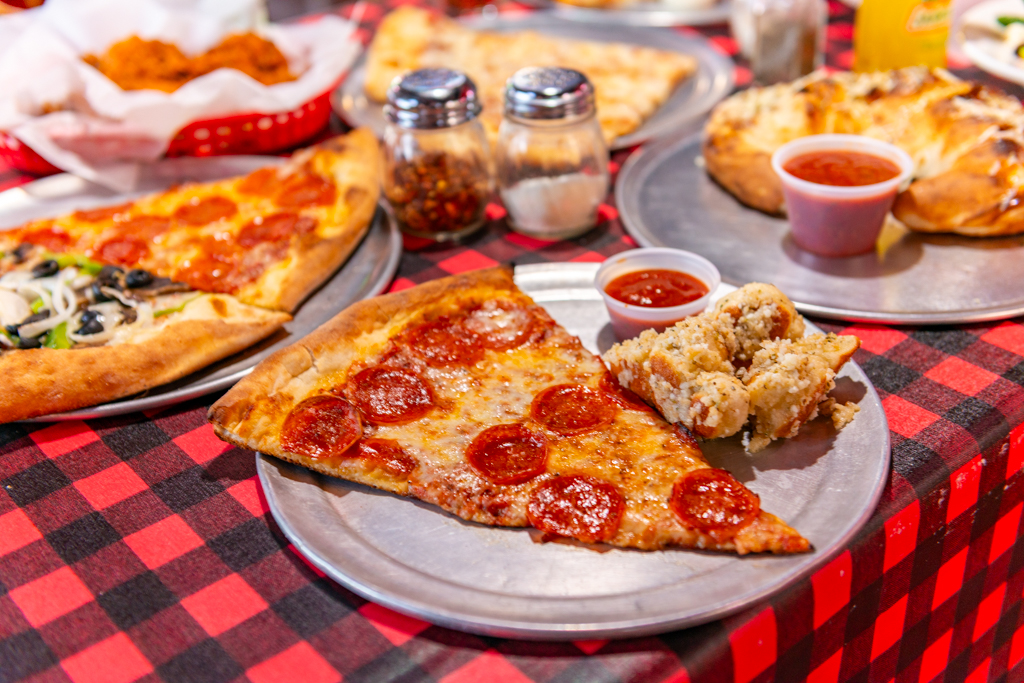
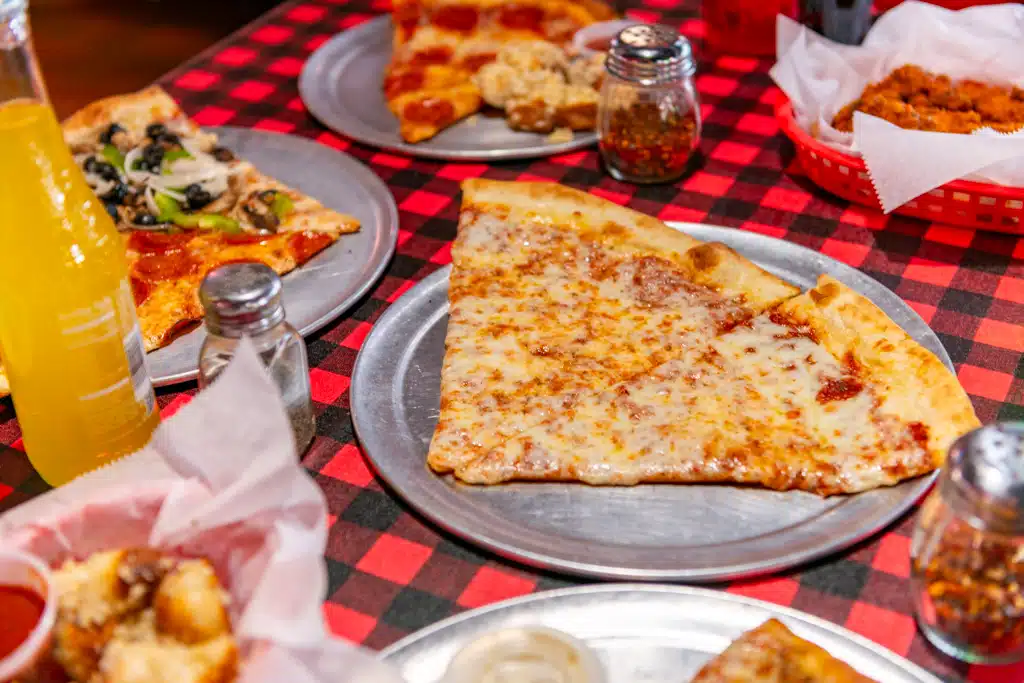
There are restaurants people visit for spectacle, others for status, and a few they choose when they want to feel better by the time the meal is over. A pizza restaurant belongs firmly in that last category. It is one of the rare dining formats that works almost regardless of mood, budget, age, or occasion. When someone wants food that feels familiar without being dull, generous without being fussy, and social without demanding too much effort, pizza usually rises to the top.
That staying power is not accidental. It comes from a combination of sensory appeal, operational practicality, and emotional memory. A good pizza restaurant knows how to deliver warmth in more than one sense. The room is often louder than fine dining but softer than a sports bar. The food arrives hot, fragrant, and meant to be shared. Portions are satisfying, and the stakes are low. Even when the cooking is excellent, the atmosphere rarely asks diners to perform sophistication. They can simply sit down, relax, and eat.
Having spent years around hospitality businesses, I have seen few concepts earn repeat visits as consistently as well-run pizzerias. People return after school concerts, difficult workweeks, family arguments, first dates, and long road trips. They come in groups and alone. They bring children, grandparents, coworkers, and out-of-town guests. That range matters because comfort dining is not just about the food itself. It is about how reliably a place meets emotional needs while still delivering quality.
Comfort starts before the first bite
The strongest comfort restaurants lower tension as soon as you walk in. A pizza restaurant often does this better than more specialized venues because the format is intuitive. There is no mystery about what the meal will look like, how much it will roughly cost, or whether everyone at the table will find something they can eat.
That simplicity has real value. When diners are tired, overstimulated, or short on time, too many choices can feel like work. Pizza solves that problem neatly. The menu may include salads, pasta, sandwiches, and desserts, but the core offer remains clear. Diners know they can order one pie everyone agrees on, or split the difference with two or three styles. Even a larger table can settle in quickly once the first round of decisions is made.
There is also a ritual to it that people find calming. Someone asks whether to start with garlic knots or wings. Another person argues for mushrooms, someone else pushes for sausage, and one person inevitably wants half the pie left plain. These are small decisions, but they are familiar and low risk. Shared routines like that can make a meal feel restorative, especially after a day full of harder choices.
Pizza is engineered for satisfaction
Comfort food has to satisfy on a physical level, not just an emotional one. Pizza does this with uncommon efficiency. It combines carbohydrates, fat, protein, acid, salt, and heat in a way that appeals to most people almost immediately. The crust offers chew or crispness, the cheese adds richness and stretch, the sauce brings brightness, and the toppings allow endless variation. When the balance is right, each bite feels complete.
That matters more than many restaurants admit. Plenty of meals are attractive on the plate but oddly unsatisfying. A diner may finish them and still feel as though something was missing. Pizza rarely has that problem. Even a modest individual pie feels substantial. A larger shared pizza, paired with a simple salad or appetizer, can feed a table in a way that feels abundant rather than merely adequate.
Temperature plays a role too. Comfort dining leans heavily on food served hot and at the right moment. Pizza comes out of an oven at a peak that people can smell before they see it. The arrival itself is part of the experience. Heads turn, conversation pauses, and the table resets around the pie. That sensory cue, the sound of a board or tray landing, the steam rising off the crust, the sharp scent of tomato and basil or roasted garlic, triggers anticipation in a very direct way.
Sharing is built into the format
Some restaurant categories claim to be social, but still produce meals that isolate diners into separate orders and separate tastes. Pizza works differently. It invites interaction. Even when everyone has distinct preferences, the meal still centers on shared dishes. People reach across the table, trade slices, compare combinations, and comment on which pie turned out best.
This matters for comfort because communal eating softens the edges of a day. Shared food changes the rhythm of a meal. It slows people down just enough to create conversation, but not so much that dinner becomes a production. That balance is difficult to achieve. Tasting menus can feel formal and time consuming. Fast food can feel efficient but disconnected. A pizza restaurant often occupies the middle ground perfectly.
Families notice this first. Parents appreciate restaurants where children can eat happily without the adults feeling trapped in a kid-focused environment. Pizza handles that better than almost anything else. Children understand it, teenagers still want it, and adults do not have to sacrifice their own meal to keep the table peaceful. That multi-generational appeal is one reason pizzerias become family fixtures. Once a place hosts a few birthday dinners, post-game meals, or Friday night takeout orders, it often becomes part of the household routine.
A wide menu without losing identity
One of the overlooked strengths of a pizza restaurant is that it can offer variety without becoming conceptually confused. The best operators understand this instinctively. They use pizza as the anchor, then support it with items that make sense in the same comfort-dining universe. A Caesar salad, baked pasta, meatballs, roasted vegetables, tiramisu, and a few local beers can round out the experience without overwhelming it.
From a diner’s perspective, that flexibility reduces friction. The vegetarian at the table can build a satisfying meal. The person who wants something lighter can order a salad and share a slice or two. The guest avoiding dairy may still have choices if the kitchen is attentive. Someone in the mood for a hearty meal can go for a deep-dish pie or a baked entrée. Unlike narrower restaurant formats, a pizza restaurant can accommodate mixed appetites without losing its center.
That is especially useful for groups. I have watched countless business lunches, youth team celebrations, and casual reunions choose pizza because it solves the group-ordering problem elegantly. No one feels trapped into one narrow flavor profile. There is usually enough range to satisfy the adventurous eater and the cautious one at the same table.
Price matters, and pizza usually handles it well
Comfort dining has a financial dimension. If a meal leaves diners anxious about the bill, some of the comfort disappears. One reason the pizza restaurant remains so resilient is that it often provides a strong value experience. People can feed two, four, or eight guests without the total climbing into special-occasion territory.
Value is not the same as cheapness. Diners are often willing to pay more for quality dough, better cheese, house-made sauce, and thoughtful toppings. What they want is a sense that the meal delivered generously for the price. Pizza tends to perform well on that measure because even premium versions still feel grounded. A wood-fired margherita with excellent mozzarella may cost more than a standard pie, but it rarely feels inaccessible in the way that upscale entrées sometimes do.
Operators benefit from this too. Pizza has relatively controllable food costs compared with many seafood or steak-focused concepts, provided the kitchen manages waste and portions well. That gives restaurants room to keep pricing reasonable while maintaining quality. Customers may not know the accounting details, but they do feel the effect. They sense when a restaurant is offering honest value rather than trying to maximize every check.
The atmosphere is forgiving in the best way
A comfort restaurant does not require perfect posture, perfect timing, or a perfect mood. Pizza restaurants often excel because their atmosphere is forgiving. If a child is a little loud, if a group arrives still buzzing from an event, if someone comes in wearing work clothes after a long shift, the room still feels appropriate.
This quality should not be confused with a lack of standards. The best pizza restaurant is clean, organized, and service-minded. The difference is that it does not make guests feel as though they need to rise to the room. The room rises to meet them.
Lighting, sound, and seating all contribute. Slightly worn wooden tables can feel more welcoming than pristine white linen. Open kitchens add energy without formality. The scent of dough baking and garlic toasting does part of the hospitality work before a server says a word. Music often sits in the background rather than dominating the space. These are practical choices, https://gravatar.com/ruffranoshellskitchenpizzasecurity but together they create a setting where people exhale.
Familiarity does not mean sameness
Critics sometimes treat comfort dining as if it must be predictable to the point of boredom. Good pizza restaurants prove the opposite. Familiarity gives chefs and owners a strong foundation, not a creative ceiling. Within the broad category of pizza there is enormous room for craft.
A New York style slice shop offers a different comfort than a Neapolitan pizzeria, and both differ from a pan pizza specialist or a neighborhood spot known for tavern-style pies. Dough fermentation alone can transform texture and flavor. A 24-hour rise yields one result, a 72-hour cold ferment another. Oven type matters. So does hydration, flour blend, sauce seasoning, cheese placement, and how the kitchen handles carryout versus dine-in timing.
Those details are not academic. Diners taste them, even if they do not describe them in technical terms. They know when the crust has character, when the sauce tastes bright instead of sugary, when the toppings are balanced rather than piled on thoughtlessly. A pizza restaurant can therefore deliver comfort and craftsmanship at the same time, which is part of its broad appeal.
It adapts to almost any occasion
Few restaurant categories move as comfortably between occasions as pizza. It works for casual lunch, weeknight dinner, date night, team party, family gathering, and takeout on the couch. That flexibility gives it an unusual strength in the comfort-dining space because life is not neatly segmented into formal and informal moments. Most people need restaurants that can stretch.
Consider a few common scenarios. A couple wants dinner after a demanding workday but lacks the energy for a long, expensive meal. A pizza restaurant fits. Parents need a reliable place after a Saturday game, with enough food for hungry kids and adults. Again, it fits. Friends want to watch a game, catch up, and split food for two hours without pressure to turn the table too quickly. It fits there too.
That adaptability became especially visible in the years when off-premise dining surged. Pizza transitioned more smoothly than many cuisines because the product travels reasonably well when packaged correctly. A great dine-in experience is still the ideal, but the same restaurant can also support delivery, curbside pickup, and family-style orders without compromising its identity.
Service feels more human in this setting
Service style shapes comfort as much as the kitchen does. In pizza restaurants, the best service often feels direct, efficient, and personal rather than elaborate. That can be a major advantage. Diners want to be welcomed, guided, and looked after, but they do not always want a lot of ceremony.
A strong server in a pizza restaurant reads the table quickly. They know when to suggest two medium pies instead of one large, when to warn that a specialty pizza runs richer than expected, and when to encourage a simple salad to balance the meal. They understand pacing. Appetizers should buy just enough time, not so much that guests fill up or grow impatient. Drinks should land fast. Pizza should arrive as soon as it is ready, not sit in the window for the sake of synchronization.
When this kind of service is done well, it feels seamless. That is the sweet spot for comfort dining. Guests feel cared for without feeling managed.
The emotional pull is real
It would be hard to overstate the role memory plays here. For many people, pizza is tied to childhood rituals, college nights, team celebrations, first apartments, birthday parties, and road-trip stops. The details differ, but the pattern is common. Pizza often appears in moments that are social, casual, and emotionally legible. Over time, that association deepens.
This does not mean every pizza memory is glamorous. In fact, many of the strongest ones are ordinary. A rainy Friday. A parent bringing home two boxes after a late shift. A neighborhood place with booths repaired more than once. A paper plate balanced on your knee during a movie night. Comfort dining thrives in these ordinary memories because they are repeatable. They teach people that some meals are not just nourishment or entertainment. They are signals of safety and ease.
A smart pizza restaurant respects this emotional history without trying to manufacture nostalgia too aggressively. Forced sentiment usually reads as marketing. Real comfort comes from consistency, warmth, and quality. If the staff remembers regulars, if the crust tastes right every time, if the room feels familiar without being stale, that is enough.
Not every pizza restaurant gets it right
The category’s strengths do not guarantee success. Some pizzerias lean so heavily on convenience that they neglect ingredients. Others add too many menu items and lose focus. Service can slip into indifference because the format is casual, and casual should never mean careless.
There are also trade-offs within the comfort equation. A bustling, family-friendly room may feel welcoming to one diner and too noisy for another. A classic neighborhood pie can be deeply satisfying, but those seeking highly seasonal or health-conscious menus may find the options limited. Delivery and takeout improve access, yet they cannot fully reproduce the smell, heat, and atmosphere of eating a pizza seconds after it leaves the oven.
These edge cases matter because comfort is personal. The best pizza restaurant understands its audience and executes for that audience with discipline. A thin-crust shop near offices may prioritize fast lunches and reliable pickup. A wood-fired neighborhood place may focus on date-night ambiance and ingredient quality. A suburban family pizzeria may lean into larger portions and broad menu flexibility. Each can succeed if it is honest about what it does best.
What diners are really choosing
When people choose a pizza restaurant for comfort dining, they are usually choosing more than a pie. They are choosing low friction, dependable pleasure, and a setting where different needs can coexist. One person wants indulgence, another wants familiarity, another wants ease, and another simply wants a meal that makes the evening run smoothly. Pizza can hold all of that at once.
That is rare in the restaurant business. Many concepts are strong in one dimension and weak in another. Some are delicious but impractical for groups. Others are affordable but forgettable. Some are lively but exhausting. The pizza restaurant, at its best, balances flavor, generosity, atmosphere, and value with remarkable consistency.
That balance is why the category endures through trends that come and go. It does not need reinvention every season to remain relevant. It simply needs to keep doing the fundamentals well: dough with character, sauce with brightness, toppings used with restraint, service with common sense, and a room where people feel welcome.
For diners, that translates into something simple and powerful. When the day has been too long, the weather uncooperative, the week expensive, or the group impossible to please, a pizza restaurant still sounds like a good idea. Few dining choices can make that claim so reliably, and fewer still can back it up across generations. That is what makes it a top choice for comfort dining. Not because it tries too hard to be one, but because it quietly has been one all along.
RUFFRANO'S HELL'S KITCHEN PIZZA Security
385 Main St, Colorado Springs, CO 80911
(719) 390-4355
FAQ About pizza restaurant
Is there a Hell's Kitchen pizza restaurant in Security-Widefield?
Yes. Ruffrano's Hell's Kitchen Pizza has a Security-Widefield location at 385 Main St.
Where can I find pizza delivery in Security-Widefield?
Ruffrano's Security location offers online ordering. Enter your address at checkout to check delivery availability and fees.
Where can I find gluten-free pizza in Security-Widefield?
Ruffrano's menu lists a 12-inch gluten-free option. Call the Security location to confirm availability and ask about shared equipment if cross-contact is a concern.
Ends · ANDERSONUXHL590